Answering the most common bathroom tile questions, this guide highlights five top white tile and grout options that are well-suited for walls and floors. It covers traditional ceramic, peel-and-stick designs, and premixed grout solutions so you can pick the best fit for remodeling, DIY projects, or quick updates. The top picks emphasize durability, easy installation, and moisture resistance for different bathroom needs.
Summary table of selected products:
| Product | Best For | Key Benefit |
|---|---|---|
| Red Devil 0425 Pre-Mixed Tile Grout, White | DIYers and small renovations | Excellent adhesion for walls and floors |
| STICKGOO 10-Sheet Peel and Stick Subway Tile | Quick, temporary or rental updates | Thick 2–2.5 mm design with strong backing |
| Sterling Peel & Stick Vinyl Floor Tiles, 20-Pack | Floor updates without mess | No glue required; easy DIY installation |
| White 4×4 Glossy Finish Ceramic Subway Tile | Classic shower walls and backsplashes | High-gloss finish; MADE IN USA |
| PentaUSA Premixed Tile Grout Repair | Repairing spaces and joints | Premixed, water-resistant, cure-to-grout-like hardness |
Red Devil 0425 Pre-Mixed Tile Grout
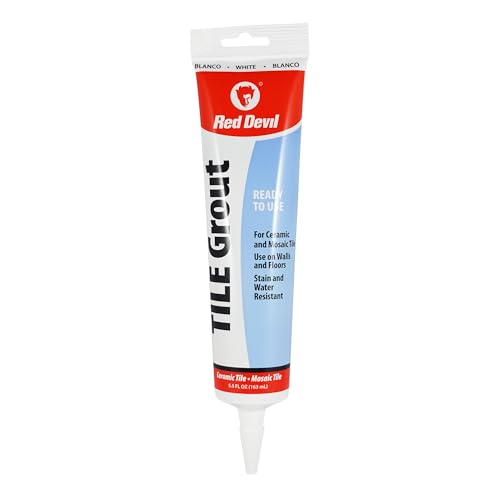
Best for: DIYers seeking a user-friendly grout that adheres well to ceramic and mosaic tiles on walls and floors. This premixed grout offers straightforward application without mixing, making it ideal for quick bathroom updates and light remodels.
Why selected: The product emphasizes excellent adhesion and versatility for tile, masonry, wood, and wallboard substrates, paired with a user-friendly consistency. It supports durable grouting in typical bathroom moisture zones when used on walls or floors.
Caution: As with any premixed grout, surface prep matters. Ensure joints are clean and dry before application to maximize bond and cure. Not recommended for continuous submersion scenarios.
STICKGOO 10-Sheet Peel And Stick Subway Tile

Best for: Renters or DIYers wanting a fast, mess-free bathroom upgrade with a subway tile look. Suitable for walls and backsplashes in kitchens and bathrooms where a durable, wipe-clean surface is desired.
Why selected: These tiles are thicker than standard peel-and-stick options and feature a 3X stronger backing adhesive that adheres to smooth or lightly textured surfaces, offering better durability for wet areas.
Caution: While robust for indoor use, avoid high-moisture submersion environments; best for dry to moderately damp spaces and surfaces that are flat and clean before installation.
Sterling Peel & Stick Vinyl Floor Tiles, 20-Pack

Best for: Floors in low-traffic bathrooms where a quick, affordable refresh is desired without messy adhesives. Ideal for renters and DIYers updating existing spaces.
Why selected: This option provides a no-mess installation with 20 vinyl tiles, each 12″ x 12″ and 1.2 mm thick, covering about 20 square feet. It’s a practical, low-maintenance solution for modern white floor trends.
Caution: Peel-and-stick vinyl can show seams in high-traffic areas; ensure a clean, dry, flat surface for best adhesion and long-lasting results.
White 4×4 Glossy Finish Ceramic Subway Tile
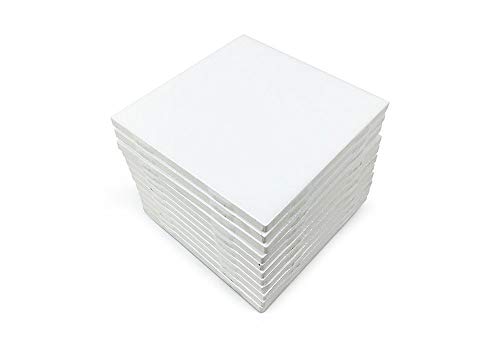
Best for: Classic shower walls and backsplashes where a durable, glossy white tile is preferred. Suitable for those who value a Made in USA product with straightforward installation.
Why selected: The tile offers a high-gloss finish with a durable surface, and a clear listing for 12.5 square feet (100 pieces). Its traditional size and finish pair well with modern or retro bathroom designs.
Caution: Glossy surfaces can show smudges; use proper cleaning to maintain the pristine white look between installations or cleanings.
PentaUSA Premixed Tile Grout Repair
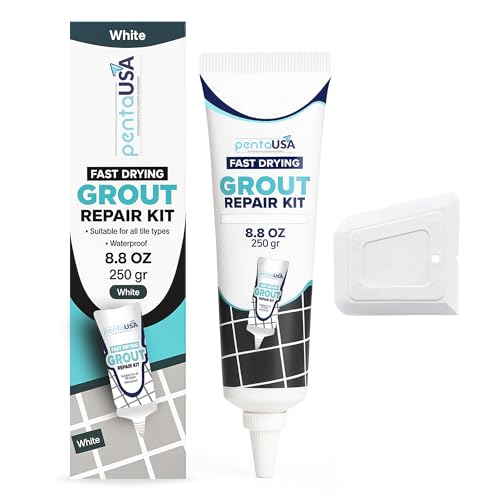
Best for: DIY grout repair in bathrooms where a quick, neat fix is needed for cracked or missing joints. Suitable for showers, countertops, and walls.
Why selected: This premixed acrylic sanded grout repair cures into a solid, grout-like material, forming a protective seal and improving moisture resistance. It’s designed for first-time users and practical repairs.
Caution: It’s best used for touch-up work and smaller repairs. For large renovation projects, consider full re-grouting to ensure uniform appearance and performance.
Buying Guide
What should I consider when choosing white bathroom tiles?
Tile material affects durability and maintenance. Ceramic tiles are common for walls and showers due to moisture resistance. Porcelain, glass, and vinyl options offer different looks and installation methods. Peel-and-stick tiles provide quick updates but may not be ideal for showers with direct water exposure.
Where should I use grout vs. self-adhesive tiles?
Grout is essential for traditional ceramic or porcelain tile installations to fill joints and prevent moisture intrusion. Self-adhesive tiles are convenient for quick aesthetics on walls or backsplashes but may require extra sealing on wet surfaces or kitchens. For long-term bathrooms, combine high-quality tile with proper grout and sealant.
How important is the moisture resistance?
Bathrooms experience humidity and occasional water exposure. Choose tiles with solid finishes and grout systems designed for damp areas. Water-resistant grout sealers can extend life and maintain a clean appearance between cleanings.
What about installation ease and future maintenance?
Peel-and-stick solutions are fastest to install but may require more maintenance over time in wetter zones. Traditional tile plus proper grout and sealing can offer stronger moisture resistance and lasting durability, particularly on shower walls and floors.
Are there trade-offs with white tiles?
White finishes show dirt, soap scum, and mineral buildup more readily. Regular cleaning and proper sealing help maintain brightness. Textured or matte finishes can hide minor imperfections better than high-gloss surfaces.
Choosing by room and use-case
For walls and showers, traditional tiles with a robust grout system are often best. For quick rental updates or budget projects, peel-and-stick solutions offer fast, clean results. Floor tiles benefit from thicker materials and moisture-rated sealants to endure foot traffic and spill exposure.
Practical checklist
- Surface: flat, clean, dry, and free of loose material
- Finish: gloss, matte, or textured depending on maintenance preferences
- Moisture exposure: ensure grout and sealant are rated for bathrooms
- Maintenance plan: regular cleaning and resealing intervals
- Budget and timeline: weigh long-term durability against quick installation
FAQ
- What is the easiest white tile option for a bathroom? A peel-and-stick subway tile is among the simplest for quick updates, especially on walls and backsplashes.
- Which grout is best for bathroom use? A premixed fast-drying grout repair is convenient for small fixes, while traditional epoxy or cement-based grouts offer strong durability for showers and floors when installed correctly.
- Can white tiles make a small bathroom look bigger? Yes. Light, reflective surfaces and uniform tile patterns can visually expand space when paired with good lighting.
- Is sealing necessary for white tiles? Sealing is often recommended for natural stone or porous materials. Ceramic and porcelain tiles usually require grout sealing for moisture protection in showers and wet areas.
- Do I need professional installation for white bathroom tiles? Small, straightforward projects can be DIY, but complex layouts or wet areas may benefit from professional installation to ensure proper waterproofing and long-term durability.
- How do I maintain white bathroom tiles? Regular cleaning with pH-balanced cleaners and occasional grout sealing help maintain brightness and prevent staining.