The best weather seal for a sliding glass door depends on the gap and where it occurs: brush-style pile seals suit sliding edges, while foam or silicone strips may work better for other frame gaps. The 33-foot gray brush seal is best for buyers who need more length, the 16.5-foot pile strip is a compact option, and the foam and T-shaped silicone seals offer alternatives for different gap shapes. Measure the gap and check that the strip will not obstruct door movement before choosing.
| Product | Best For | Listed Length |
|---|---|---|
| 33 Ft Gray Brush Weather Stripping | Longer runs and brush-style sealing | 33 ft |
| Self-Adhesive Pile Weather Stripping | Shorter sliding-door or window gaps | 16.5 ft |
| ZOMPAGO Brush Weather Stripping | Buyers comparing a long brush strip | 66 ft |
| KAYLEINSTER Foam Weather Stripping | Foam-backed frame gaps | 118 in |
| Elvone T-Shaped Silicone Seal | Wider gaps that suit a T-shaped strip | 20 ft |
33 Ft Gray Self-Adhesive Brush Seal
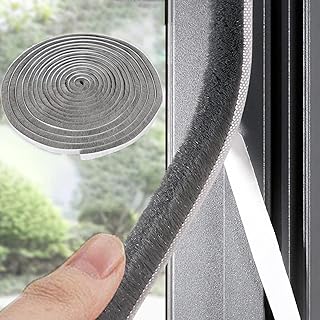
Best for: Buyers who need a longer run of brush-style weather stripping for a sliding door or window. The listed size is 33 feet long, 0.35 inch wide, and 0.2 inch thick, offering more length than the 16.5-foot pile option.
The product description identifies a high-density woven brush, strong adhesive, and resistance to wear and aging. It is intended to help block airflow, dust, rain, and noise. Those features make it a practical candidate for a sliding-door edge where a brush seal can contact the frame without using a thick foam strip.
Limitation: Confirm the stated width and thickness suit the actual gap. The listing does not establish that it fits every sliding-door track or frame.
Self-Adhesive Pile Seal, 16.5 Feet

Best for: Homeowners sealing a shorter sliding-door or window run. This gray woven pile strip measures 16.5 feet long and 11/32 inch wide, and the product information specifically mentions use along the side or bottom of sliding doors and windows.
Its self-adhesive backing is intended to make installation straightforward, and the woven material is described as waterproof and durable. The product is also presented for reducing drafts and limiting heated or cooled air from escaping. It may suit buyers who want a compact amount of pile weatherstripping rather than a long roll.
Limitation: The listed width alone does not tell you how much the pile compresses. Measure the space and check that the seal will not interfere with sliding.
ZOMPAGO Brush Weather Stripping

Best for: Buyers considering a long brush strip for a sliding-door project. The product name gives a size of 0.2 by 0.4 inch and 66 feet, making it the longest listed option in this comparison.
The brush format and dimensions make it worth comparing with other pile seals when planning a longer run or several applications. However, the supplied product information does not provide further material, adhesive, installation, or performance details. Verify the exact size and installation requirements on the product listing before purchase.
Limitation: The available feature information is limited, so buyers who need specific adhesive or weather-resistance details should confirm those before choosing it.
KAYLEINSTER Foam Frame Seal

Best for: Buyers looking for a foam-backed seal for a frame gap, including some sliding-door applications. The 118-inch strip combines PU foam with nylon fabric and has a self-adhesive mesh backing.
The product description says its soft, wear-resistant surface is designed not to affect door or window movement. It is also described as helping limit drafts, dust, noise, and water. Choose this if a cushioned foam strip matches the gap better than a brush-style pile seal.
Limitation: At 118 inches, it is shorter than the long brush options. Check the gap dimensions and make sure foam compression will not make the door harder to slide.
Elvone T-Shaped Silicone Door Seal

Best for: Buyers whose measured gap suits a wider T-shaped silicone strip. The listing gives a 20-foot length, about 2-inch overall width, and 0.07-inch thickness, and says it can be cut to fit gaps from 0 to 1 inch.
The T-shaped portion is designed to fit around a door or window gap. The product description presents the silicone strip as a barrier against airflow, dust, and noise. Choose this style when its stated gap range and mounting arrangement match the frame.
Limitation: This is not the same format as a self-adhesive pile strip; the listing says one side lacks adhesive backing. Confirm how it attaches to your particular door before buying.
Buying Guide: How to Choose a Sliding Glass Door Weather Seal
Where is the draft coming from?
Inspect the full perimeter of the closed door. A sliding door may leak at a meeting stile, side jamb, head, or bottom, and different locations can require different seal shapes. Brush or pile weatherstripping is often considered for narrow sliding contact points, while foam or silicone can suit other frame gaps. Do not assume one strip type will fit every edge.
How should you measure the gap?
Measure the opening at several points with the door closed, since gaps may vary along the frame. Compare the measurements with the strip’s listed width, thickness, and stated gap range. The seal should make contact without preventing the panel from moving freely or latching properly. If the gap is uneven, note the largest and smallest measurements before selecting a product.
How much length do you need?
Measure each section that needs sealing and add the lengths together. The products here range from 118 inches to 66 feet, so the right choice depends on the project rather than length alone. A longer roll can cover more area, but it is not automatically the best fit if its dimensions or installation method do not match the door.
Which material and installation style fit?
Choose pile or brush when a flexible woven edge is appropriate; consider foam when a cushioned strip fits the frame gap; and check the T-shaped silicone model against its stated gap range and attachment method. Clean and dry the surface before applying adhesive products, and follow the product’s installation instructions. Test the door’s travel after installation.
Frequently Asked Questions
What type of weather seal is commonly used on sliding glass doors?
Brush or pile weatherstripping is a common option for sliding-door edges because the flexible material can contact a moving panel. The correct type still depends on the location and measured size of the gap.
Can weather stripping make a sliding glass door hard to open?
Yes. A strip that is too thick or positioned incorrectly can add friction or obstruct movement. Measure first and check that the door slides and closes properly after installation.
Should I seal the bottom of the sliding door?
Seal the bottom only with a product intended to fit that location and that does not interfere with the track or door movement. Check the existing door design and the product’s listed application.
Can one weather seal block drafts and noise?
Several products in this comparison are described as helping reduce airflow and noise, but the result depends on correct fit and installation. A seal cannot compensate for every source of sound or a gap that exceeds its size range.
How do I know whether I need foam or brush weatherstripping?
Compare the gap shape and the door’s movement. Brush or pile is a candidate for sliding contact edges; foam may suit a frame gap where compression is appropriate. Check product dimensions and confirm the door still moves freely.