Whether you’re building a tidy windowsill display or growing a tiny desert garden, choosing pots with drainage helps keep roots healthy and moisture balanced. This guide highlights five reliable options that support succulents, herbs, and other small plants. Each pick is suitable for different spaces and care styles, from desks to balconies. Read on to find which pot set matches your plant goals and space constraints, and use the quick buying guide and FAQs to refine your choice.
| Product | Size | Material | Drainage | Best For |
|---|---|---|---|---|
| SQKH 4 Inch Plant Pots, 6 Pack | 4 inch | Polypropylene | Bottom drainage holes with attached tray | Small indoor succulents, herbs, and compact orchids on shelves or desks |
| Brajttt 2.1 Inch Ceramic Small Succulent Pot (6 Pack) | 2.1 inch | Ceramic | Drainage hole | Tiny succulents and cacti, ideal for mini displays |
| ZOUTOG 6 Pack 3.6″ Ceramic Succulent Pots | 3.6 inch | Ceramic | Drainage tray included | Compact plants on windowsills and desks |
| LamDawn Ceramic Succulent Garden Pots (Set of 5) | 4 inch | Ceramic | Drainage hole with mesh insert | Decorative desk or shelf arrangements |
| Eightpot 8 Inch Ceramic Succulent Planter | 8 inch | Ceramic | Drainage hole with bamboo tray | Moderate-sized succulents and larger desk plants |
SQKH 4 Inch Plant Pots, 6 Pack

Best for small indoor plants and herbs, these six 4-inch pots are built from thick polypropylene to resist sun exposure and bending. The 48 drainage holes at the bottom promote soil aeration and root health, while the attached tray catches excess water for a tidy space. Choose this set if you want a durable, budget-friendly option for desktops, kitchen windows, or compact plant displays.
Who it’s for: apartment dwellers or office workers needing compact, reliable pots that won’t discolor or warp in bright light. Limitation: plastic pots may retain heat more quickly than ceramic in direct sun, which can affect sensitive plants.
Brajttt 2.1 Inch Ceramic Small Succulent Pots
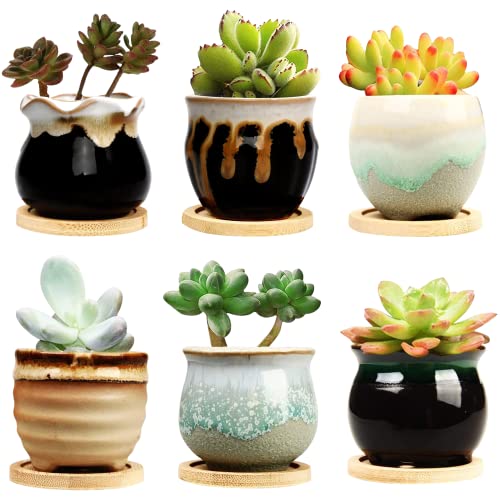
Best for ultra-compact plant corners or themed mini displays, these 2.1-inch ceramic pots come in a six-pack with a variety of glazed finishes. They include drainage holes to maintain healthy roots, and their color and glaze add a decorative touch to shelves or desktops. Choose this if you want a charming, small-footprint option for bonsai-like arrangements or micro-succulent clusters.
Who it’s for: designers seeking color and texture in miniature planters. Limitation: size is very small, so only tiny plants will fit; not ideal for larger succulents.
ZOUTOG 6 Pack 3.6″ Ceramic Pots

Best for small greenery and herbs on a windowsill, these six 3.6-inch ceramic pots include bamboo trays for catching water and soil. The white, durable ceramic finish provides a clean backdrop for green foliage. Choose this option for a minimalist, cohesive look across a compact plant display.
Who it’s for: anyone prioritizing a neat aesthetic and easy-clean trays. Limitation: ceramic pots can be fragile if knocked over in high-traffic areas.
LamDawn Ceramic Succulent Garden Pots (Set of 5)
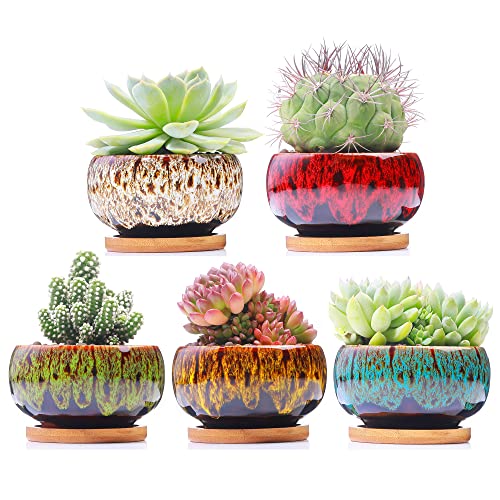
Best for decorative desk greenery and gift setups, these five 4-inch ceramic pots feature drainage holes with mesh inserts. The rich glaze and sturdy build create a polished look for workstations, wedding favors, or home decor. Choose this if you want a cohesive ceramic set with secure drainage and an attractive finish.
Who it’s for: buyers seeking a ready-made, visually appealing succulent display. Limitation: colors and finishes are decorative; mixing with other non-ceramic planters may require careful coordination.
Eightpot 8 Inch Ceramic Planter

Best for larger succulents or small tabletop gardens, this 8-inch shallow ceramic planter features a drainage hole and a bamboo tray. The rounded, glazed finish complements many interior styles, while the tray helps keep surfaces clean. Choose this if you want a statement pot that accommodates bigger plants or larger clusters.
Who it’s for: interior designers or plant enthusiasts aiming for a prominent display. Limitation: larger size requires more space and a deeper plant root system context.
Buying Guide
What material should you choose?
- Ceramic pots offer a crisp look and good longevity but can be heavier and more fragile than plastic.
- Plastic pots are lightweight and低-cost; they resist chipping but may heat up under direct sun.
What drainage features matter?
- Drill holes in the bottom are essential for root health in most succulents. A matching tray or saucer helps manage overflow.
- Some sets include mesh inserts to prevent soil from washing out through drainage holes.
What size should you pick?
- Match pot size to the mature size of the plant. Smaller succulents fit 2–4 inch pots; larger clusters or bigger varieties benefit from 6–8 inch pots.
- Consider space: desks and shelves favor smaller pots, while window sills and entryways can accommodate larger planters.
What about aesthetics and display?
- White and light-toned ceramics blend with modern decor, while glazed colors add visual interest.
- Set arrangements with varying pot heights to create depth on a single surface.
Care and maintenance tips
- Ensure drainage trays are emptied regularly to prevent water damage to surfaces.
- Use well-draining soil suited for succulents to maximize root health.
- Avoid overcrowding: give each plant enough room for growth and airflow.
Frequently Asked Questions
- Which pot is best for very small succulents? A 2.1–3.6 inch ceramic or plastic pot with a drainage hole is ideal for tiny varieties.
- Do I need a tray with every pot? Trays help protect surfaces from moisture and soil, especially in humid spaces or on wood furniture.
- Are ceramic pots better than plastic for succulents? Ceramic pots are visually appealing and stable but can be heavier and more delicate; plastic pots are lighter and durable but may fade in strong sun.
- Can I reuse any pot with drainage holes for a new plant? Yes, ensure the pot and tray are clean and appropriate in size for the new plant’s root system.
- How do I prevent root rot in pots with drainage? Use well-draining soil, avoid overwatering, and ensure excess water can escape the pot through drainage holes.
- What should I consider when mixing pot sizes in a display? Vary heights and widths to create visual interest while keeping a cohesive color palette.