Stones with gold flecks range from natural minerals with reflective inclusions to sparkling manufactured goldstone. For a single display piece, consider the raw gold sheen obsidian or tumbled gold rutilated quartz. For jewelry, choose between irregular chip beads and uniform round beads. For larger craft projects, the one-pound bag of gold sandstone chips offers loose, undrilled pieces. Check each listing’s material description: a golden sparkle does not always mean a stone is natural.
| Product | Best For | Format |
|---|---|---|
| Gold Sheen Obsidian | Display and collecting | One raw stone |
| Gold Sandstone Chip Strand | Irregular-bead jewelry | Drilled strand |
| Gold Sandstone Chips | Crafting and décor | One-pound bag |
| 8mm Gold Sandstone Beads | Consistent bead projects | Drilled strand |
| Gold Rutilated Quartz | Polished pocket stone | One tumbled stone |
Erliway Gold Sheen Obsidian Raw Stone

This is best for buyers who want a single natural-looking display stone rather than beads or craft fill. The listing describes gold obsidian as a type of obsidian whose golden sand-like sparkle comes from inclusions or a surface layer. Each rough stone is hand-selected, so appearance can vary.
The package contains one stone measuring approximately 1.25–2 inches and weighing 0.88–1.23 ounces, plus a velvet bag. Its rough form suits a collection, desk display, or hands-on craft project. The listing also suggests meditation and décor uses, but its energy-related statements are beliefs, not established product performance.
Choose this if you prefer a raw, individual specimen. Limitation: the size and color are variable, and a rough stone will not have the smooth finish of a polished tumble.
Clearain Gold Sandstone Chip Bead Strand

This strand is best for jewelry makers who want irregular shapes rather than evenly sized round beads. It measures about 31.5 inches, with chips approximately 6–8 mm and holes around 0.8–1.0 mm. The drilled pieces can be used for necklaces, bracelets, earrings, anklets, and other beadwork.
The listing notes that chip color and size may vary, so the strand is better for organic, varied designs than for projects requiring precise uniformity. It also describes the pieces as similar to the pictured item rather than identical.
Choose this if you want a long strand of pre-drilled chips for creative jewelry or crafts. Limitation: the irregular sizing and small holes may not suit every design or threading material; check your cord or wire size before starting.
Gold Sandstone Tumbled Craft Chips

This one-pound bag is best for buyers who need multiple loose pieces for crafts, containers, or decorative arrangements. The chips are polished, irregular, and approximately 10–25 mm (0.4–1 inch). They are undrilled, so they are not ready to string as beads without additional work.
An important material distinction is stated in the listing: these gold sandstone chips are synthetic. Their tiny sparkles reflect light, making them an option for shoppers seeking a gold-flecked appearance rather than a natural mineral specimen. The package comes in a drawstring bag.
Choose this if you want a larger quantity of loose, shiny pieces for craft use. Limitation: avoid this product if natural stone is essential or if you need pre-drilled jewelry beads.
HAAMIIQII 8mm Gold Sandstone Beads

These round beads are best for jewelry projects that benefit from a consistent shape and size. The listing describes a strand of approximately 85–88 polished 8 mm beads, about 15 inches long, with pre-drilled 1 mm holes. It identifies the material as natural gold sandstone; buyers comparing materials should note that goldstone products can also be synthetic, so review the listing’s description carefully.
The uniform format works for bracelets, necklaces, earrings, and other DIY decorations. A standard-sized hole can make threading easier than working with very small-hole chip beads, depending on the cord or wire selected.
Choose this if you want polished, matching round beads for a coordinated design. Limitation: the fixed 8 mm size is less suited to projects that call for varied shapes or larger decorative chips.
Erliway Gold Rutilated Quartz Tumbled Stone
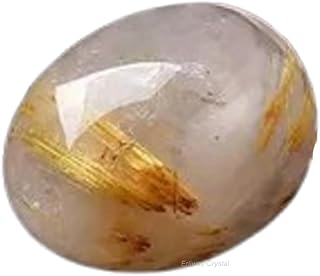
This polished stone is best for someone seeking a compact specimen with a smooth finish. The listing identifies it as natural gold rutilated quartz and gives a size range of 0.8–1.2 inches and a weight of 0.53–0.7 ounces. Each package includes one stone in a velvet bag.
Unlike the drilled bead strands, this piece is not presented as jewelry-making stock. Its portable size is suited to a small collection, display, or handling. The listing also mentions crystal practices; claims about wealth, emotional balance, or energy should be understood as spiritual beliefs rather than verified effects.
Choose this if you want one polished stone instead of rough obsidian or loose beads. Limitation: it is a single small specimen, not a bulk craft supply, and its appearance may vary.
Buying Guide: How To Choose A Stone With Gold Flecks
Do you want a natural specimen or a sparkling craft material?
Start with the listed material, not just the golden appearance. The raw obsidian and rutilated quartz listings describe natural stones. The one-pound gold sandstone chips are explicitly described as synthetic. Goldstone is also commonly used as a name for sparkling materials, so check the product’s material claims if natural origin matters to you.
Should you choose loose stones, chips, or beads?
Choose a raw or tumbled stone for a collection or display. Choose drilled chips for irregular jewelry designs, and round 8 mm beads for more consistent patterns. Undrilled chips are better suited to crafts and décor than direct stringing. Compare the hole diameter with your cord or wire before buying beads.
What size and quantity fit your project?
Single stones are measured individually and can vary within the stated range. Strands give a set length or approximate bead count, while the craft chips are sold by weight. For a project that needs matching pieces, uniform round beads may be easier to plan around than variable chips or one-of-a-kind rough stones.
Frequently Asked Questions
Are stones with gold flecks always natural?
No. Some listings describe natural minerals, while others identify the sparkling gold sandstone as synthetic. Read the material details rather than assuming that golden flecks indicate a natural stone.
Which option is best for making a bracelet?
The 8 mm drilled beads suit a consistent bracelet pattern. The chip strand is a better choice for an irregular, varied look. Check hole size against your stringing material.
Can the one-pound chips be strung into jewelry?
The listed chips are undrilled, so they are not ready to string as beads. They are intended for crafts and decorative uses unless you have a way to modify them.
How do gold sheen obsidian and rutilated quartz differ in these listings?
The obsidian is a rough stone described as showing a golden sheen, while the rutilated quartz is a polished, tumbled stone. Both are sold as individual pieces, but they differ in listed mineral type and finish.
Will every stone look exactly like the product image?
No. Several listings state that color, size, or appearance can vary. This is especially relevant for natural stones and irregular chip beads.