Red brick aesthetics can bring warmth and texture to any space. This guide highlights realistic red brick flooring options, from peel-and-stick vinyl tiles to traditional ceramic looks, helping you choose a durable, easy-to-install floor with authentic brick charm. Each product below is evaluated for installation ease, wear resistance, and overall value. Explore quick-install solutions that mimic brick without major renovations.
| Product | Brand | Notes |
|---|---|---|
| FloorPops Harvard Brick Red Peel & Stick Floor Tiles | FloorPops | Brick-inspired, easy Peel & Stick installation |
| Nexus Self Adhesive 12-Inch Vinyl Floor Tiles | ACHIM | Brick pavers pattern, simple DIY |
| Tenedos 6×6 Red Smooth Quarry Tile | Tenedos | Durable ceramic, slip-resistant |
| Brick Red Cross Rib 12″ x 12″ Tiles | Big Floors | Classic red ribbed ceramic look |
| TORURAL 100 Red Faux Brick Wall Tiles | TORURAL | Thin brick veneer for walls and surfaces |
Note: The list includes a mix of flooring materials that achieve a red brick appearance, ranging from vinyl and ceramic to brick veneer. Each option varies in durability, installation method, and suitability for high-traffic areas. Use the Buying Guide below to align your choice with space, budget, and maintenance preferences.
FloorPops Harvard Brick Red Peel & Stick Tiles

FloorPops Harvard Brick Red Peel & Stick Floor Tiles provide a brick-inspired design with straightforward installation. The tiles peel and stick directly to clean, dry surfaces, eliminating grout or special tools. This option suits DIY projects, apartment renovations, or rooms where quick changes are desired. The red brick pattern offers a classic, warm look that pairs with neutral cabinets and rustic accents.
Nexus Self Adhesive 12-Inch Vinyl Floor Tiles

This Achim Nexus Vinyl Tile set includes 20 tiles, each 12 by 12 inches, with a brick pavers pattern. The self-adhesive design enables simple installation on flat, dry surfaces without glue. Tiles are designed to be durable for everyday spaces and can cover about 20 square feet per box. A cost-effective way to achieve a brick look with minimal prep and cleanup.
Tenedos 6×6 Red Smooth Quarry Tile

This red quarry tile by Tenedos is a heavy-duty ceramic option suitable for indoor and outdoor use. With a slip-resistant surface, it meets safety standards in kitchens, entryways, and commercial spaces. The classic red tone blends rustic and industrial styles, providing durable coverage for high-traffic areas with a traditional tile installation approach.
Brick Red Cross Rib 12″ x 12″ Tiles

Brick Red Cross Rib tiles offer a traditional ceramic look with a ribbed surface that enhances texture and depth. Sold in 24-pack sets, these tiles are well-suited for areas where a classic brick aesthetic meets reliable durability. They pair well with warm wood tones and metal accents in kitchens, bathrooms, or sunrooms.
TORURAL 100 Red Faux Brick Wall Tiles
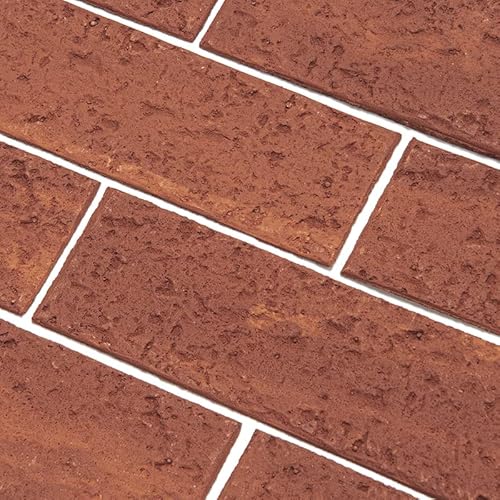
TORURAL 100 Red Faux Brick Wall Tiles deliver a thin brick veneer look suitable for walls and surfaces. Made from inorganic mineral powder with a matte texture, these sheets are lightweight and easy to cut, useful for creating brick accents on feature walls, backsplashes, or fireplace surrounds. A flexible veneer suitable for curved surfaces, it is recommended to prime brick surfaces to minimize staining.
Buying Guide: Key Purchase Considerations
- Durability and traffic: For kitchens and entryways, prioritize tiles or vinyl with strong wear resistance and slip resistance. Ceramic options offer long-term durability, while vinyl tiles provide easier installation and replacement.
- Installation method: Peel-and-stick vinyl is the simplest for quick projects, while ceramic tiles require more prep, cutting, and adhesive or mortar. Consider your DIY skill level and tools available.
- Surface compatibility: Ensure the subfloor is clean, dry, and level. Peel-and-stick products perform best on smooth, dry surfaces; textured or uneven floors may require prep work.
- Aesthetics and tone: Red brick tones vary from warm, rustic reds to deeper, more industrial reds. Choose a shade that complements cabinetry, countertops, and lighting in the space.
- Maintenance: Vinyl options are generally easier to clean and replace, while ceramic tiles may require sealing and grout upkeep over time.
- Flexibility and future updates: Thin brick veneers can be a flexible alternative for walls or curved surfaces, while traditional tiles offer more permanence for floors.
- Sample and color matching: When possible, order samples to view color, texture, and size in your space before committing to a full installation.
- Ventilation and moisture: For bathrooms and kitchens, prioritize moisture-resistant options and ensure proper ventilation to extend floor life and color stability.