Answering the call for sustainable living, this guide highlights eco friendly products that help you clean with less waste and fewer toxins. The top picks are best for eco-conscious shoppers who want practical, reusable options for kitchens, bathrooms, and everyday chores. Each product section explains who it’s best for and why it was selected, along with a practical caveat to consider before buying. A quick buyer’s table summarizes key points to compare at a glance.
| Product | Why It Stands Out | Best For |
|---|---|---|
| If You Care Sponge Cloths | Highly absorbent, reusable, compostable | Eco-conscious households seeking durable cloths |
| Jordan Green Clean Manual Toothbrush | Made from recycled materials, biodegradable bristles | Sustainable oral care enthusiasts |
| Gmark Eco-friendly Wooden Sporks | 2-in-1 compostable cutlery, birchwood | Zero-waste dining and events |
| Wild & Stone Organic Cotton Dish Cloth | 100% organic cotton, no microplastics | Lint-free kitchen cleaning |
| No More Bugs 32oz with Sprayer | USDA BioBased certified, DEET-free | Natural pest control and surface cleaning |
If You Care Sponge Cloths – 5 Count

Best for: households seeking washable, reusable cleaning cloths with strong absorption. The sponge cloths blend cellulose and cotton using a natural mineral salt process, producing a highly absorbent material that can soak up to 20x its weight. They are reusable, durable, and compostable when finished. Ideal for kitchen counters, sinks, and bathrooms where streak-free results matter. Caution: performance can vary with very rough scrubbing; avoid using on surfaces that require non-abrasive tools unless paired with gentler pads.
Jordan* Green Clean Manual Toothbrush

Best for: eco-minded individuals seeking sustainable oral care. The handle uses recycled plastics, while the bristles are 100% bio-based nylon, combining environmental considerations with effective brushing. Packaging is recycled, aligning with a low-woots waste approach. Caution: availability of replacement heads and lifecycle emissions can influence the overall eco impact depending on usage patterns.
Gmark Eco-friendly Wooden Sporks
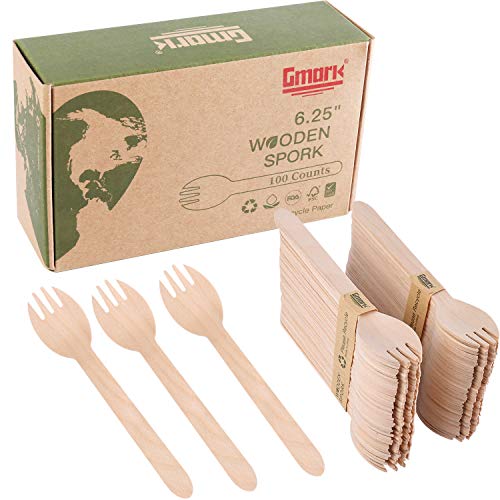
Best for: diners and events where plastic waste is a concern. The 6.25″ birchwood spork provides a 2-in-1 eating utensil, combining fork and spoon in a sturdy, compostable format. Great for picnics, offices, and schools seeking convenient, eco friendly disposables. Caution: wood color and grain may vary; some users may prefer a fully reusable cutlery set for daily use rather than single-use options.
Wild & Stone Organic Cotton Dish Cloth

Best for: households prioritizing natural fibers and zero microplastics. Made from 100% organic cotton and OEKO-TEX certified, these cloths are safe for skin contact and food surfaces. They resist lint and shed little to no fibers, making them suitable for dishes and counters. Caution: natural fibers may require more frequent washing to maintain softness and absorbency compared with synthetic alternatives.
No More Bugs! Naturally Green Products 32oz

Best for: households seeking a versatile, pesticide-free cleaning solution. This product is USA-made, DEET-free, and USDA BioBased BioPreferred certified, emphasizing safe home use. It pairs well with spray bottles for easy multi-surface cleaning. Caution: product strength and scent can vary; test on delicate surfaces before broad application.
Green Llama Eco-Friendly Cleaning Tablet Variety Pack

Best for: households wanting a compact, plant-based cleaner that reduces plastic waste. The variety pack covers multi-surface, glass, and bathroom cleaning needs with compostable, non-toxic formulas. It’s suitable for families and pets due to its safe ingredients. Caution: tablet dissolution and potency may vary by water hardness and cleaning task.
Buying Guide: Key Considerations For Eco Friendly Home Cleaning
- Material origin and end-of-life: Prioritize products with renewable, recycled, or compostable components. Look for certifications like OEKO-TEX for textiles.
- 用途 and versatility: Choose items that replace disposable products—cloths, sporks, and tablets—without sacrificing effectiveness.
- Durability and reusability: Reusable items should withstand washing and repeated use to maximize long-term value.
- Safety and eco impact: Consider non-toxic formulations, absence of microplastics, and packaging sustainability for household products.
- Care and maintenance: Some cloths and brushes require specific washing conditions to preserve absorbency and fibers.
- Use-case alignment: Select products tailored to your routines—kitchen cleaning, dining, personal care, or multi-surface cleaning.
FAQ
- What makes sponge cloths eco-friendly?
They are reusable, compostable, and made from renewable cellulose and cotton. - Are wooden sporks better than plastic?
Yes, they reduce plastic waste and are compostable, but may require more care to avoid cracking. - Do organic cotton cloths shed microplastics?
No, organic cotton does not shed plastic microfibers, unlike some synthetic sponges. - Can cleaning tablets replace spray cleaners?
They provide multi-surface cleaning with less packaging, but test on surfaces first. - Are recycled-plastic toothbrushes safe?
They reduce waste; bristles should be evaluated for biodegradability and safety. - What should I consider before buying eco-friendly cleaning products?
Look for end-of-life options, certifications, and whether the product meets your specific cleaning needs.