The best environmentally friendly bin liners are those that balance durability, compostability, and practicality for everyday waste. This guide highlights five top options suited for homes and offices seeking greener disposal. Each pick is evaluated for size, material, and ease of use so you can match the bag to your trash bin and routine. The buyers most likely to benefit are apartment dwellers, kitchen users, and small offices aiming to reduce plastic waste while maintaining clean, reliable waste containment.
| Product | Size | Material | Best For |
|---|---|---|---|
| Inwaysin Compostable Trash Bags (13-15 Gallon) | 13-15 gal | Plant-based (corn starch) | Medium-to-large kitchen areas, recyclable materials disposal |
| UFCOELPT 1.6 Gallon Compostable Bags | 1.6 gal | Plant-based, compostable | Small kitchen bins, everyday scraps |
| Simply Bio 3 Gallon Compostable Bags | 3 gal | Compostable (ASTM D6400) | Small kitchen and office waste bins |
| heihaily 2.6 Gallon Small Trash Bags | 2.6 gal | Biodegradable, thick | Bathroom and compact spaces |
| AYOTEE 2.6 Gallon Compost Bags | 2.6 gal | Biodegradable, compostable | Kitchen or countertop bins with easy access |
Inwaysin Compostable Trash Bags, 13-15 Gallon
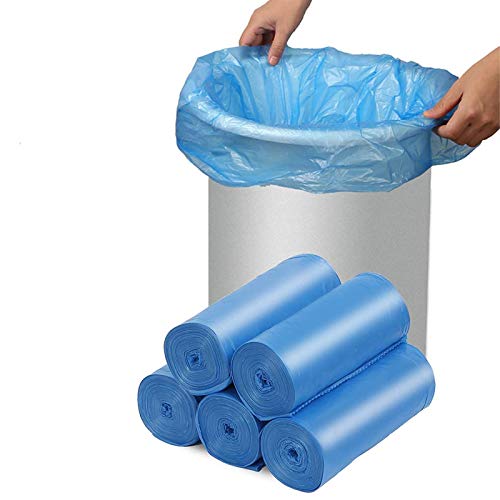
Best for households needing a larger compostable option without relying on traditional plastics. Made from plant-based materials (corn starch), these bags are designed to be biodegradable and suitable for recyclable waste. The 13-15 gallon size offers a comfortable fit for standard kitchen cans, reducing bag breakage with a 1.18 mil thickness for puncture resistance. Choose this if you handle sizable amounts of compostable waste and want a sturdy, eco-friendly liner. Caution: not all compostable claims meet every local program; verify local composting guidelines.
UFCOELPT 1.6 Gallon Compostable Bags with Handles

Best for compact kitchens and daily food-scrap collection. These 1.6-gallon bags are sized for small bins and feature handles for easy tie-off. The liners are certified compostable and use 0.63 mil material to balance durability with waste ease. Choose this if you want reliable, small-bin performance and clear disposal for kitchen scraps. Limitation: smaller bags may require more frequent changes in busy households.
Simply Bio 3 Gallon Compostable Bags

Best for small kitchens or office kitchenette spaces needing sturdy, leak-resistant liners. These 3-gallon bags are 1 mil thick with drawstrings, offering strong performance for daily scraps and light-duty waste. They are ASTM D6400 compliant and certified by OK Compost Home programs. Choose this if you want a heavier-duty bag that’s still compostable. Limitation: drawstring design may require occasional re-tightening in high-volume use.
heihaily 2.6 Gallon Compost Bags
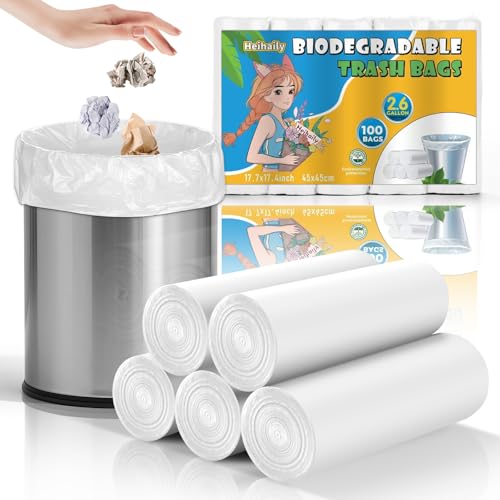
Best for bathrooms and tight spaces needing a clean, odor-conscious option. These 2.6-gallon bags are tear-resistant, leak-proof, and made from pure PE materials that minimize smell. The light but sturdy construction makes them suitable for daily bathroom waste and small office tasks. Caution: not all users may need their capacity in high-volume kitchens—these are mainly for compact spaces.
AYOTEE 2.6 Gallon Compost Bags

Best for countertop bins and versatile kitchen use. These 2.6-gallon bags are slightly oversized for easy fitting and have box-dispenser design to grab one bag at a time, reducing tearing. They are biodegradable and compostable, well-suited for home recycling and compost programs. Limitation: check local composting rules to ensure compatibility with your program.
Buying Guide
What should you consider when choosing environmentally friendly bin liners?
- Size and fit: Match bag capacity to your bin to avoid overhang, tearing, or frequent changes.
- Material and certifications: Look for plant-based, compostable materials with recognized certifications (such as ASTM D6400 or OK Compost). Verify local composting guidelines for real-world end-of-life outcomes.
- Durability vs. compostability: Thicker bags offer puncture resistance and leak protection but consider whether you need full compostability or a longer-lasting traditional liner.
- Ease of use: Drawstrings, handles, and box dispensers enhance convenience and minimize tearing during removal.
- Odor management: For bathrooms or kitchens, choose bags that minimize smell and leakage to keep spaces clean between changes.
- Cost and availability: Bulk packs can reduce waste and cost, but ensure you have storage space for multi-pack boxes.
How to choose by scenario
- Small apartment kitchen: Choose 1.6 to 3 gallon bags that are certified compostable for daily scraps, such as UFCOELPT or Simply Bio options.
- Shared office kitchenette: Opt for 3 gallon or larger liners with strong puncture resistance and a box-dispenser design for easy access.
- Bathrooms and compact spaces: Select 2.6 gallon bags with tear resistance and odor control like heihaily or AYOTEE lines.
- Frequent composting: Prioritize bags with clear compostability certifications and plant-based materials, such as Inwaysin or AYOTEE products.
FAQ
- Are compostable bin liners truly eco-friendly? They reduce reliance on fossil-fuel plastics, but end-of-life outcomes depend on local composting facilities. Check certifications and local programs.
- What bin size should I use for a typical kitchen? Common sizes are 1.6 to 3 gallons for small bins and 13-15 gallons for larger kitchen or office cans with compostable liners.
- Do compostable bags work with standard trash cans? Yes, most are designed to fit common bin dimensions, but verify bag dimensions before purchase.
- How thick should a compostable bag be? A balance between durability and compostability; 0.63 mil to 1.18 mil covers everyday use without excessive material.
- Can I recycle these bags after use? Some compostable bags can be recycled with other compostable waste; confirm local guidelines and facility capabilities.
- Are there fragrance-free options? Yes, several bags are unscented to avoid masking odors and to be gentler for sensitive spaces.