Looking for a duvet cover that helps reduce nighttime irritation from dust mites and allergens? This guide highlights down-proof, hypoallergenic options and breathable cotton or microfleece-like bedding that can help allergy and sensitive-skin sleepers. Each product is chosen for its specific strengths—whether blocking mites, securing a duvet, or delivering soft, breathable comfort. The top picks target different bed sizes and sleep needs, so you can choose the best fit for your night routine and room climate.
Quick product overview:
- FAUNNA 100% Cotton Duvet Cover: Dust mite protection, premium cotton, and Microban antimicrobial treatment.
- Allersoft All Cotton Duvet Protector (90×96): Secure inner & outer ties for a snug fit on larger comforters.
- Allersoft All Cotton Duvet Protector (86×86): Compact, reliable protection with easy attachment.
- Guardmax Waterproof Duvet Cover (King): Waterproof underlayer with breathable top fabric and zipper closure.
- Bedsure Prewashed Duvet Cover (Queen): Soft polyester microfleece-like feel, lightweight, all-season use.
FAUNNA 100% Cotton Duvet Cover Review
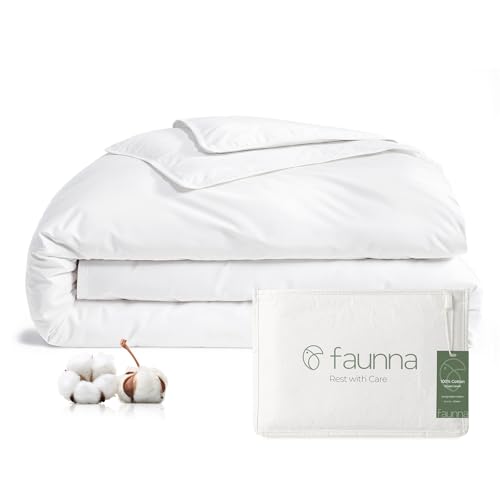
Best for: Allergy-prone sleepers who want mite-blocking protection plus natural cotton comfort. Why selected: FAUNNA combines a high-density weave with a tight pore size of ≤10μm to physically block dust mites. The 100% cotton fabric offers breathability, moisture-wicking, and skin-friendly comfort. The Microban antimicrobial treatment helps limit odor-causing bacteria and keeps the cover fresher between washes. Caution: The emphasis on mite protection may be more beneficial to light sleepers than those seeking heavy warmth in winter.
Allersoft All Cotton Duvet Protector (90×96)

Best for: Beds needing a secure, large-fit duvet cover with all-around protection. Why selected: This Allersoft protector uses a patented weave to prevent dust, feathers, pollen, and pet dander from accumulating. It provides secure inner and outer ties, helping attach the cover to your comforter and keep it from bunching. Caution: The 90×96 size is specific; confirm your comforter dimensions to avoid loose fit on irregularly sized duvets.
Allersoft All Cotton Duvet Protector (86×86)
Best for: Smaller bedrooms or twin-size setups needing reliable allergy protection. Why selected: The 86×86 option mirrors the 90×96 model’s protective weave and tether system, ensuring dust, pollen, and pet dander stay out of the duvet. Caution: The 86×86 square format suits standard duvets; measure your insert to ensure a snug fit without shifting.
Guardmax Waterproof Duvet Cover (King)

Best for: Sleepers who want maximum spill protection and reliable containment of allergens. Why selected: Guardmax offers a 100% waterproof underlayer paired with a breathable, jersey-style top layer and a secure zipper. This design reduces moisture-related concerns while maintaining comfort. Caution: Waterproof layers can feel warmer for heat-sensitive sleepers; ensure room climate control suits this setup.
Guardmax Waterproof Duvet Cover (Queen)

Best for: Queen-size beds needing waterproof protection with a breathable top layer. Why selected: The Queen version provides the same waterproof underlayer and durable top fabric with a zipper closure for a secure fit. Caution: The combination of waterproofing and jersey top may reduce some heat dissipation for very warm sleepers; pairing with lighter bedding can help.
Buying Guide
What should you consider when choosing a down-proof duvet cover?
- Protection level: For dust mite and allergen control, look for tight-weave cotton or microbe-treated fabrics. If you need spill resistance, a waterproof underlayer with breathable top fabric can help.
- Size compatibility: Attachments and ties matter. Choose sizes that match your duvet insert and ensure inner and outer ties keep the cover from shifting.
- Breathability and comfort: Natural cotton offers mellower airflow; microfiber tops feel soft but may trap heat. Consider your sleep climate and warmth preferences.
- Care and hygiene: OEKO-TEX or equivalent certifications suggest safer materials. Antimicrobial treatments can reduce odor-causing bacteria between washes, but regular washing remains important.
- Durability and closure: Zipper closures prevent duvet from escaping. Check stitching quality and fabric weight for longevity, especially in high-use rooms.
Frequently Asked Questions
- What is a down-proof duvet cover?
It is designed to prevent down or filling from leaking through the cover, while often offering dust mite or allergen protection through weave, fabric choice, or treatments. - Do all duvet protectors block dust mites?
No—protection depends on the fabric weave, pore size, and treatments. Look for high-density weaves and certified materials when mites are a concern. - Is waterproof duvet protection safe for sensitive skin?
Yes, if the top layer is breathable and free from harsh chemicals. Avoid overly tight waterproof layers if you have sensitive skin. - How do I know which size to choose?
Match the duvet insert size (queen, king, etc.). If you have a larger or smaller duvet, pick a cover with inner/outer ties for a secure fit. - How often should I wash a duvet cover?
Depends on usage and exposure to allergens. Generally, wash every 1–2 weeks or as needed to maintain freshness and protective benefits.