Discover a curated collection of dementia-friendly sensory wall art and related tactile products designed to calm, engage, and stimulate seniors. These items blend engaging textures, colors, and interactive elements to support focus, memory recall, and relaxation in daily life. Below you’ll find five highly relevant picks with practical benefits for homes, care settings, and therapeutic spaces.
The table below provides a quick overview of the chosen products, including key features and intended benefits. Use it as a reference when planning sensory interventions or room design for dementia care.
| Product | |||
|---|---|---|---|
| Sequin Sensory Wall Frame | ODOXIA | Visual engagement, tactile flipping, imaginative play | Colorful, reusable canvas; great for classrooms and homes |
| Fidget Board For Dementia | Potatomato | Multi-sensory activities; reduces restlessness | 12-in-1 tactile game; portable for outings |
| Sensory Mats For Autistic Children | ODOXIA | Multi-texture exploration; calm sensory input | Animal-themed tiles; supports language and motor skills |
| Dementia Activities Busy Board | TNBUENO | Cognitive engagement; social interaction | 24 cards; adaptable for various abilities |
| Fidget Blanket For Dementia | ArchiMax | Extensive sensory components; anxiety relief | Packed with 24 features; portable and memory-friendly |
ODOXIA Sequin Sensory Wall Frame
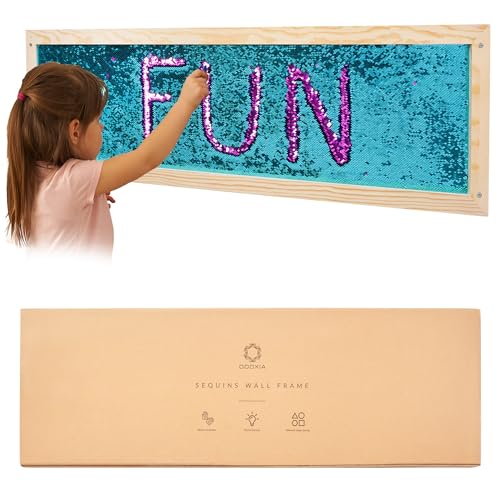
The ODOXIA Sequin Sensory Wall Frame invites tactile exploration and visual delight. Its sequin flipping mechanism creates shimmering color changes, offering both sensory input and decorative appeal. The product emphasizes creativity, memory-building moments, and versatile use in homes, classrooms, and care settings. With multiple scenarious possible, children and adults can engage in collaborative art, learning, and play. The included stencils support guided activities while encouraging free-form designs as comfort and curiosity grow.
Fidget Board For Dementia Patients

This 12-in-1 senior activity board combines varied textures and tasks to support cognitive engagement and anxiety relief. The diverse tactile stimulation helps evoke memories and maintain cognitive function while keeping hands busy. Its compact design makes it suitable for home use and care facilities, where caregivers can tailor activities to individual preferences. The board is designed to calm nerves and provide a structured, engaging outlet for restless moments or afternoon routines.
ODOXIA Sensory Mats For Autistic Children

The sensory mats by ODOXIA create a multi-sensory experience with varied textures and colors to stimulate tactile and visual senses. They support sensory-seeking children and can help manage overstimulation by providing a soothing, safe outlet. The animal-themed tiles can aid language development, problem-solving, and motor skills, making them suitable for both home environments and care settings where purposeful play supports well-being during therapy and daily routines.
TNBUENO Dementia Activities

The TNBUENO activity set is designed to boost cognitive function through engaging, adaptable games. It includes 24 cards covering 48 topics and multiple ways to play, ensuring variety for different abilities and daily moods. This flexibility supports social interaction and mental stimulation, which are important components of dementia care strategies. The activities can be used individually or in small groups to promote conversation and reminiscence while maintaining focus.
Fidget Blanket For Dementia

The ArchiMax fidget blanket combines 24 sensory components into a compact, portable activity. It’s designed to unlock potential through tactile exploration, fine motor practice, and cognitive exercises involving clocks and gears. The blanket format enables easy storage and transport for in-home use, nursing homes, or travel. Color psychology and varied textures help redirect anxiety and provide a comforting, engagement-focused sensory experience for adults with dementia or related needs.
Buying Guide
- Texture Variety: Look for items offering multiple textures (soft fabrics, ridges, beads, zippers, buckles). A broader tactile palette can better support sensory processing and reminiscence.
- Visual Stimulation: Bright, contrasting colors and mirror-like elements can attract attention but should avoid overstimulation. Balance is key for sustained engagement.
- Ease of Use: Choose products with simple, intuitive interactions and clear demonstrations or guided activities for caregivers or family members.
- Portability and Setup: Consider items that can be used in different spaces (home, care facility, clinic) and that are easy to set up or fold away when not in use.
- Memory Support: Tools that cue memories (family photos, familiar objects) can enhance reminiscence and social interaction during sessions.
- Caregiver Involvement: Select products that facilitate shared activities, reducing stress and promoting meaningful conversations among family members and care staff.
- Durability and Cleanability: Durable materials and easy cleaning help maintain hygiene and ensure long-term usefulness in busy care environments.
- Age and Ability Alignment: Match product complexity to the cognitive level and physical abilities of the user to maximize safety and benefit.
- Therapeutic Goals: Consider whether the primary aim is anxiety relief, cognitive stimulation, motor skill development, or social interaction, then align product choices accordingly.
- Monitoring Outcomes: Track engagement time, mood changes, and task completion to refine selections and tailor activities over time.
In sum, the right dementia sensory wall art and related tools can structure daily routines with meaningful engagement, reduce agitation, and support cognitive and emotional well-being. Selecting items with diverse textures, colors, and interactive features helps ensure that activities remain enjoyable and effective across different settings and individuals.