This guide highlights top biodegradable trash bags that balance strength, compostability, and practicality for American homes and offices. Each selected product offers plant-based materials, certifications, and reliable performance for kitchen scraps and waste. Read on to compare options and choose bags that fit your bin size, disposal needs, and environmental goals.
Product Snapshot
| Product | Brand | Capacity | Material & Certification | Count |
|---|---|---|---|---|
| Simply Bio 13 Gallon Compostable Bags | Simply Bio | 13 gal / 49.2 L | ASTM D6400; US BPI; OK Compost Home | 30 bags |
| Hippo Sak Plant Based Tall Kitchen Bags | Hippo Sak | 13 gal | Plant-based (sugar cane); USDA biobased | 90 bags |
| Reli. Biodegradable 13 Gallon Bags | Reli. | 13 gal | Biodegradable under ASTM D6954 | 100 bags |
| AYOTEE 13-15 Gallon Tall Kitchen Bags | AYOTEE | 13–15 gal | Plant-based PSM; ASTM D6866 | 60 bags |
| Emily’s Choice Code Q Trash Bags | Emily’s Choice | 13–17 gal | Biodegradable with D2W; Code Q compatible | 50 bags |
Simply Bio 13 Gallon Compostable Bags

These Simply Bio bags are 1 mil thick and sized for standard 13-gallon cans (Width 23.7 inches, Height 29.4 inches). The roll contains 30 bags with drawstrings for easy closure. They offer puncture resistance and leak resistance suitable for kitchen scraps, office waste, and general household use. Certifications include ASTM D6400, US BPI, and OK Compost Home, underscoring compostability in appropriate facilities or home setups.
Hippo Sak Plant Based Tall Kitchen Bags

Hippo Sak bags are made from plant-based sugar cane materials and are USDA certified biobased. They emphasize a sustainable approach with recyclable and eco-friendly features. The tall kitchen bags are designed to resist leaks and tears while maintaining a strong hold for heavy or wet waste, aligning with eco-conscious households that want a greener option without sacrificing reliability.
Reli. Biodegradable 13 Gallon Bags
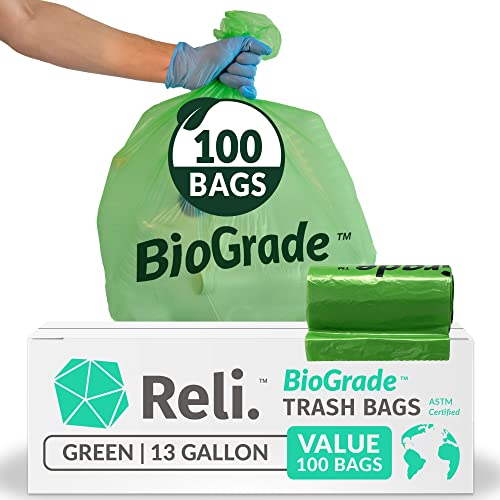
Reli. offers 13-gallon bags in a 100-count package with a 10-mil thickness and eco-friendly design. They are marketed as degradable through moisture, oxygen, and soil exposure under ASTM D6954 standards. This option focuses on value and practical performance for environments where bags may be exposed to varying disposal conditions, balancing biodegradability with durability.
AYOTEE 13-15 Gallon Tall Kitchen Bags
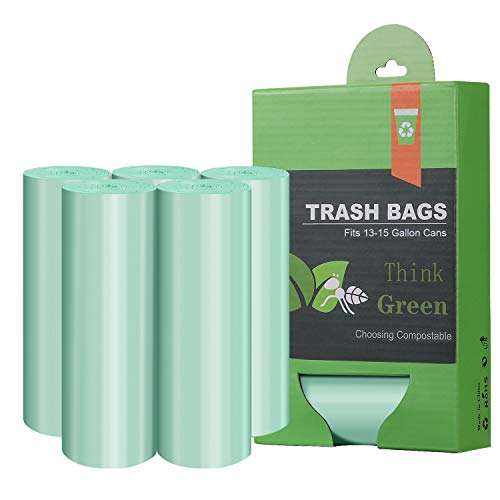
AYOTEE bags are plant-based and primarily composed of Plastarch Material (PSM), with ASTM D6866 certification. They measure 23.6 inches by 31.5 inches and are 1.18 mil thick to reduce bag slippage and improve strength for tall kitchen waste. The package includes 60 counts across four rolls, providing a cost-effective option for 50–55 liter bins and tall kitchen use, including kitchen, office, and diaper disposal tasks where robustness matters.
Emily’s Choice Code Q Biodegradable Bags
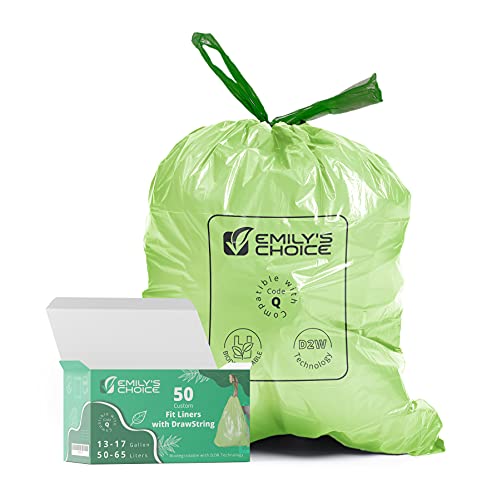
Emily’s Choice Code Q bags are designed for compatibility with Simplehuman Code Q, offering 1.2 mil (30 micron) thickness for heavy-duty use. They feature puncture resistance and easy-to-tie capabilities, with a focus on quick, clean disposal. The D2W technology supports relatively rapid breakdown in appropriate environments, making them suitable for households seeking dependable performance and faster biodegradation compared to traditional plastics.
FORID Compostable 13 Gallon Bags

FORID offers 13-gallon tall kitchen bags that are certified for compostability under ASTM D6400 and European EN 13432. They feature an octagonal bottom for even weight distribution and leak resistance, making them suitable for mixed waste including wet kitchen scraps. The set fits most standard tall trash bins and supports backyard or home composting facilities where permitted.
AYOTEE 8 Gallon Biodegradable Bags

This AYOTEE option focuses on smaller trash cans with a plant-based composition and a 0.98 mil thickness for extra tear resistance. The bags fit 8-gallon cans and come in a green color option. They are promoted as leak-proof with strong performance for indoor use and improved durability relative to lighter biodegradable bags, suitable for offices and homes seeking compact packaging and reliable containment.
CCLINERS Tall Kitchen Biodegradable Bags

CCLINERS offers tall kitchen bags designed for 13 gallons with EPI additives to aid degradation in appropriate environments. The bags measure 32 inches by 25 inches, fit up to 13-gallon cans, and feature a star-seal bottom to distribute weight and reduce leaks. They are marketed for medium-duty use in offices and homes, focusing on compatibility with various can shapes and reliable removal from receptacles.
Buying Guide: Key Considerations When Choosing Biodegradable Trash Bags
- Certification and compostability: Look for ASTM D6400 or D6866 standards, or home compostable certifications like OK Compost Home. Certifications indicate that bags are designed to break down under appropriate conditions.
- Material sources: Plant-based polymers (such as PLA, PSM, or sugar cane-derived materials) generally offer lower fossil fuel dependence. Verify whether bags are certified biobased (USDA) or explicitly labeled as compostable or biodegradable.
- Can compatibility: Choose bags that fit your bin size precisely (13 gal, 8 gal, etc.) and have a secure closure (drawstring, tie, or slip) to prevent leaks and spills.
- Durability vs. thickness: Thicker bags (e.g., 1.18 mil to 1.2 mil) tend to resist tearing when handling heavy or wet waste, but performance also depends on material composition and seal design.
- Degradation environment: Some bags degrade quickly only in industrial facilities; others claim home compostability. Consider your disposal setup and whether backyard composting is feasible for your waste streams.
- Scent and additives: Unscented formulations are common to minimize odors and chemical exposure, especially in homes with children or pets.
- Cost per bag: Larger counts reduce per-bag cost, but ensure packaging and bag thickness align with your usage and storage space.
- Compatibility with recycling streams: If you separate compostables, ensure bags do not contaminate recycling; many programs require bag-free recycling streams or use compostable bags only in compost bins.
- Environmental impact: Evaluate the overall lifecycle impact, including production, transportation, and end-of-life options, to align with your sustainability goals.
Choosing the right biodegradable trash bags involves balancing bin size, disposal method, and environmental considerations. The options listed here cover a range of capacities, certifications, and plant-based formulations to suit homes, offices, and kitchens while prioritizing lower environmental impact.