Answering the buyer’s search for reliable bed bug and pest control options, this guide highlights trusted products for different scenarios. Whether you need plant-based, chemical-resistant, or detector-focused solutions, the selections below help you pick the right tool for your situation. This overview targets homeowners, renters, and property managers seeking practical protection and clear reasons to choose each option.
Summary of featured products:
| Product | Best For | Why It Stands Out | Limitation |
|---|---|---|---|
| EcoVenger Bed Bug Killer 16 oz | Natural, sensitive environments | Plant-based, USDA certified, eggs and resistant bed bugs | Smaller application window vs. professional products |
| MGK Crossfire Bed Bug Concentrate | Professional-grade, resistant strains | Two actives with synergist, fast knockdown | May require app experience |
| Ortho Home Defense Max Bed Bug Trap | Non-chemical detection | Intercepts and monitors hiding spots | Trap-based, no immediate kill |
| Harris Toughest Bed Bug Killer | Strong, long-lasting control | Eggs and resistant strains, long residual | Odor potential for some spaces |
| MaxGuard Bed Bug Traps (24) | Comprehensive detection | Non-toxic, extensive coverage | Detection with trapping, not a spray |
EcoVenger Bed Bug Killer 16 oz: Plant-Based Power

Best for environments prioritizing a plant-powered approach. EcoVenger uses a patented botanical blend to target bed bugs and mites, including eggs and resistant strains. Its USDA certification underscores suitability for sensitive areas such as public housing or schools.
Who it’s for and why chosen: Ideal for households seeking a natural solution without harsh synthetic insecticides. It is particularly suitable where occupants have chemical sensitivities or where environmental impact matters most.
Caution: While effective, this product may require repeat applications in heavy infestations and in combination with non-chemical prevention measures for best results.
MGK Crossfire Bed Bug Concentrate

Best for tackling pyrethroid-resistant bed bugs and eggs with a proven two-active formulation and synergist. CrossFire begins working within minutes and supports professional-grade control in both residential and commercial settings.
Who it’s for and why chosen: A strong choice for apartments or multi-unit buildings where resistant strains are a concern or where quick, decisive action is needed.
Caution: Requires careful handling by users familiar with concentrate products; follow label directions for safe application.
Ortho Home Defense Max Bed Bug Trap
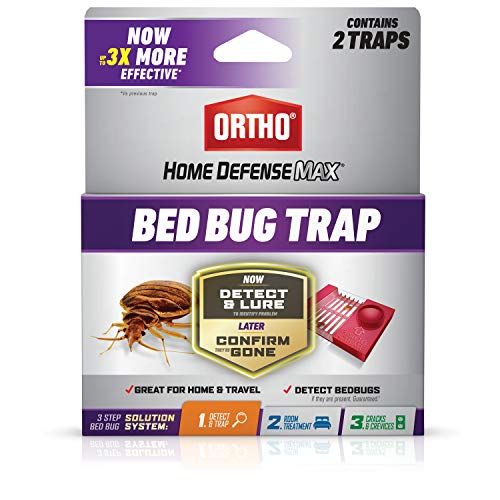
Best for proactive detection and trapping near sleeping areas. These traps lure bed bugs from hiding places and help monitor activity, especially useful in hotel rooms or shared spaces.
Who it’s for and why chosen: Suitable for landlords and hotel managers aiming to detect infestations early and prevent spread before spraying is needed.
Caution: Traps do not kill insects on contact; ongoing monitoring and integrated pest strategies improve effectiveness.
Harris Toughest Bed Bug Killer

Best for long-term control with a strong residual effect. Harris Toughest is designed to kill bed bugs at all life stages, including eggs and pyrethroid-resistant strains, and provides extended protection up to several weeks.
Who it’s for and why chosen: A practical pick for larger spaces or ongoing prevention programs, where persistent protection is a priority.
Caution: Strong formula may have odor and should be used in well-ventilated areas as directed.
MaxGuard Bed Bug Traps (24): Non-Toxic Detection

Best for continuous, non-toxic detection across multiple areas. These traps use a timed-release attractant to lure bed bugs and are safe for use around kids, pets, and in busy living spaces.
Who it’s for and why chosen: Ideal for homeowners seeking a non-chemical approach to ongoing monitoring and early detection, complementing other control methods.
Caution: These are traps for detection and reduction; combine with other interventions for maximum effect.
Buying Guide: Practical Considerations and Comparisons
What should you consider before buying bed bug solutions? Start with infestation level, space type, and occupant sensitivity. Natural products suit sensitive environments, while concentrated formulas fit heavier infestations or professional use. Detection traps help with early signs and ongoing monitoring.
How do I choose between plant-based versus chemical options?
Plant-based products like EcoVenger offer low-toxicity options ideal for sensitive spaces. Chemical concentrates such as Crossfire deliver rapid knockdown and are effective against resistant strains. If you live with children or pets, prioritize non-toxic or low-toxicity choices and use traps to monitor activity.
Is detection alone enough for bed bugs?
Detector traps and traps with monitoring windows help identify activity early. They are best used with an integrated approach that includes cleaning, decluttering, encasements, and targeted treatments where necessary.
What about long-term protection?
Look for products with residual protection claims and consider a plan combining both immediate-kill products and ongoing prevention measures such as traps and regular inspections.
How should I apply these products safely?
Always follow label directions. Use protective gear when required, ventilate rooms, and avoid mixing products unless explicitly allowed. For concentrates, consider professional assistance if you have large infestations or complex spaces.
Which option is best for apartments or hotels?
For multi-unit settings, a combination often works best: detection traps for early signs, non-toxic sprays for targeted areas, and residual products for ongoing protection. CrossFire or Harris can address resistant strains when a stronger approach is needed.
How do I avoid common mistakes?
- Do not rely on a single method; combine prevention, detection, and treatment.
- Avoid overusing any chemical in small, enclosed spaces.
- Keep sleeping areas clean and clutter-free to reduce hiding spots.
Frequently Asked Questions
- Q: Are plant-based bed bug products as effective as chemical ones? A: They work well for non-severe infestations and sensitive environments, but may require more frequent applications in tougher cases.
- Q: Do bed bug traps kill pests or just detect them? A: Traps can detect and trap; some also reduce nearby activity but typically do not kill on contact.
- Q: Can I use multiple products together? A: Yes, but follow label instructions and avoid mixing unless explicitly allowed by the manufacturer.
- Q: How long does residual protection last? A: Residual duration varies by product; some provide weeks of protection, requiring periodic reapplication.
- Q: Should I hire a professional for a large infestation? A: For extensive infestations or resistance concerns, professional treatment ensures thorough coverage and appropriate product choice.
- Q: What is the best approach for hotel rooms? A: Use detection traps for early signs, targeted sprays for suspected areas, and a plan for ongoing monitoring between guests.