Answering the common buyer question: which 4-inch plant pots deliver reliable drainage, durability, and value for small plants? This guide highlights five top options and explains who each is best for. Ideal for starters, herb lovers, succulents, and indoor gardeners with limited space, these pots include drainage features, trays, and different material styles to suit various décor. The table below compares key traits to help you choose quickly.
| Product | Type | Best For | Drainage / Tray |
|---|---|---|---|
| SQKH 4 Inch Plant Pots | Plastic with Drainage Holes | Orchids, herbs, small flowering plants | Yes, with attached tray |
| Gepege Ceramic Succulent Pots | Ceramic with Drainage Holes | Succulents, cacti, orchids | Yes, includes mesh pads and removable trays |
| Orceler 4 Inch Terracotta Pots | Terracotta with Saucer | Dry-loving plants, crafts, décor | Yes, with attached saucer |
| Phoenix Vine 4 Inch Planter | Plastic with Drainage | Houseplants needing bottom watering | Yes, deep water catch tray |
| D’vine Dev Beaded Ceramic Pot | Ceramic with Saucer | Beaded, modern décor accent plants | Yes, detachable saucers |
SQKH 4 Inch Plant Pots, 6 Pack

The SQKH set provides six 4-inch plastic pots with drainage holes and an attached tray. The design supports common small indoor plants such as orchids, aloe, snake plants, peace lilies, ZZ plants, succulents, mint, and herbs. The material is described as extra-thick polypropylene, designed to resist sun exposure and cracking for longer-term use. Best for budget-conscious buyers seeking a complete starter kit in one purchase. A potential limitation is that plastic pots can retain moisture longer, which may require monitoring for overwatering in very humid environments.
Gepege Ceramic Succulent Pots, 4 Inch

The Gepege set features four 4-inch ceramic pots with drainage holes and mesh pads, designed to keep soil in place while promoting drainage. Includes removable trays and saucers, offering flexible display options. Best for buyers who want a ceramic, decorative look combined with practical drainage. A note: ceramic pots can be heavier and more fragile than plastic, so handle with care during relocation or cleaning.
Orceler 4 Inch Terracotta Pots with Saucer

The Orceler set uses terracotta clay for breathable, dry-friendly conditions. Each pot includes a saucer and is designed for smaller plants like succulents and herbs. Terracotta’s natural texture makes it a good fit for rustic or natural décor. Best for plants that benefit from quick moisture evaporation. A limitation is terracotta’s tendency to dry quickly in dry indoor air, so more frequent watering may be required.
Phoenix Vine 4 Inch Planter Pot
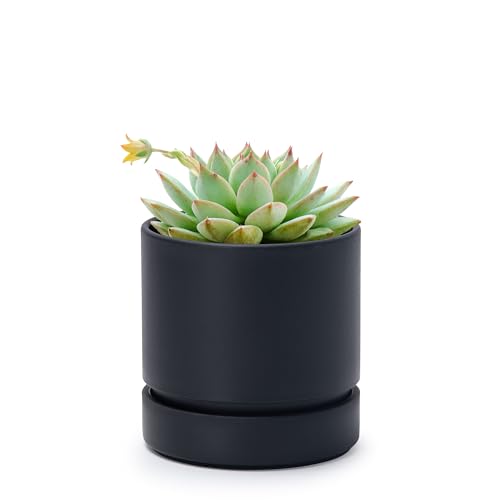
The Phoenix Vine pot is a durable plastic option with a deep water catch tray and drainage holes. Its design supports bottom watering, making it suitable for plants that prefer steady moisture without frequent top-watering, such as ferns or pothos. Best for indoor gardeners who practice bottom watering to prevent splash marks on surfaces. A caution: plastic finishes may show scratches more easily than ceramic or terracotta over time.
D’vine Dev Beaded Ceramic Pot

The D’vine Dev beaded ceramic pot features a 4-inch outer diameter with a beaded design that adds a modern decorative touch. It includes a matching, detachable saucer for easy maintenance and drainage. Best for home or office décor where a stylish accent pot is desired. Limitations include its ceramic material, which can be heavier and more prone to chipping if mishandled during transport.
Buying Guide
Key purchase considerations help prioritize fit for your plants and space.
- Material matters: Plastic pots are lightweight and affordable; terracotta and ceramic pots offer a natural look and good breathability but are heavier and more fragile; choose based on plant needs and handling preferences.
- Drainage and saucers: Ensure the pot includes drainage holes and an attached tray or compatible saucer to manage moisture and protect surfaces.
- Size accuracy: Confirm the interior diameter matches your plant’s root spread to prevent crowding or excessive space.
- Style and décor: If aesthetics matter for indoor spaces, ceramic or beaded finishes provide visual appeal; plastics work well for budget-friendly, low-maintenance setups.
- Maintenance: Consider ease of cleaning and whether trays are removable for washing.
- Plant compatibility: For succulents and cacti, choose breathable materials (terracotta or ceramic with good drainage); for moisture-loving herbs, plastic pots with steady drainage can be convenient.
- Durability and climate: In bright sun or outdoor use, evaluate material resilience to temperature changes and UV exposure.
Frequently Asked Questions
- What size pot should I use for a 4-inch plant?
Choose a pot with a similar interior diameter to avoid crowding; use the 4-inch size for starter plants or small succulents. - Are drainage holes necessary for 4-inch pots?
Yes, drainage holes help prevent root rot by allowing excess water to escape. - Should I use a saucer with every pot?
Yes, a saucer or tray helps protect surfaces and keeps soil from spilling when watering. - Which material is best for beginners?
Plastic pots are cost-effective and durable, making them a common choice for beginners. Ceramic and terracotta offer aesthetics but require gentler handling. - Can I use outdoor spaces with terracotta pots?
Terracotta is breathable but can crack in freezing temperatures; use them indoors or in sheltered outdoor spots in cold climates. - Which pot is best for bottom watering?
Deep-saucer plastic pots, like the Phoenix Vine option, are well-suited for bottom watering.