Instantly identify reliable ice maker outlet boxes designed for recessed refrigerator water lines. This guide highlights five practical options, focusing on ease of installation, compatibility with common piping, and reliable shut-off valves. Ideal for homeowners upgrading kitchens, renters, and DIY installers seeking straightforward connections and durable materials. The table below compares each selected product at a glance.
| Product | Inlet Type | Outlet | Best For |
|---|---|---|---|
| Lidertik LI-ZBQH-510 | 1/2″ NPT | 1/4″ compression | Standard NPT setups, flexible installation |
| Lidertik LI-ZBQH-550 | 1/2″ Push-to-Connect | 1/4″ compression | Push-to-connect ease, quick installs |
| HeSun Ice Maker Outlet Box | 1/2″ PEX-A Expansion | 1/4″ OD compression | Lead-free brass, NSF-compliant |
| Lidertik LI-ZBQH-520 | 1/2″ Crimp PEX-B | 1/4″ compression | Crimp PEX-B compatibility |
| Lidertik LI-ZBQH-530 | 1/2″ Expansion PEX-A | 1/4″ compression | PEX-A expansion systems |
Lidertik 1/2 NPT Thread or Sweat Pre-Assembled Outlet Box
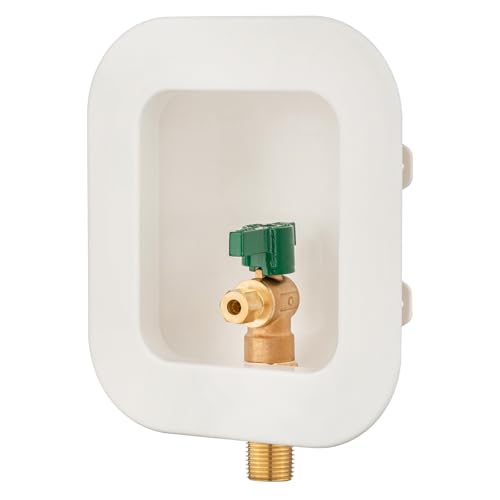
Inlet: 1/2 inch NPT thread compatible with standard fittings or sweat with 1/2 inch copper pipe. Outlet: 1/4 inch compression connects to the ice maker hose. This model is designed specifically for ice makers and provides a recessed wall box with a convenient shut-off. Best for traditional NPT-based plumbing setups used in many older homes.
Who it’s best for: DIYers upgrading fixed kitchen plumbing with existing NPT connections. Why selected: versatile inlet options accommodate common installation methods, reducing the need for adapters. Caution: ensure 1/2″ NPT fittings are compatible with your local supply lines to avoid leaks.
Lidertik 1/2 Inch Push-to-Connect Outlet Box With Shut Off
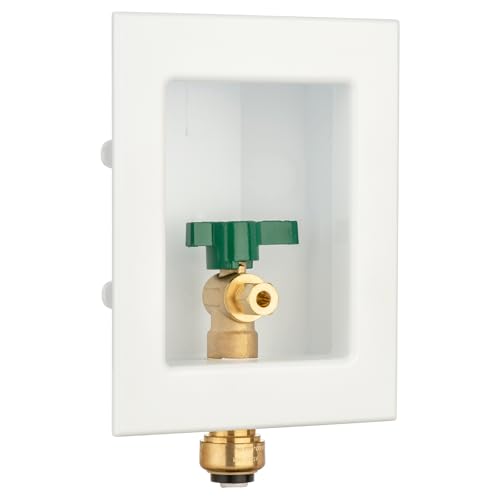
Inlet: 1/2 inch push-to-connect compatible with PEX/PVC/copper/brass pipes. Outlet: 1/4 inch compression for the ice maker hose. The push-to-connect system simplifies setup and reduces tool requirements. This model emphasizes quick, secure connections with less clutter behind walls.
Who it’s best for: homeowners seeking fast installation with flexible pipe options. Why selected: push-to-connect reduces assembly time while maintaining a tight seal. Caution: verify pipe material compatibility before installation to avoid connection failures.
HeSun Ice Maker Outlet Box With Lead-Free Brass

Inlet: 1/2″ PEX-A Expansion x 1/4″ OD Compression. Constructed from lead-free brass; NSF 61-G compliant, meeting portable water standards. Features an easy access valve for quick shut-offs and a design tailored for recessed installations with stable mounting and minimal tools required.
Who it’s best for: buyers prioritizing safety certifications and durability in a recessed installation. Why selected: certified materials and straightforward shut-off access provide reassurance for long-term use. Caution: ensure PEX-A compatibility with existing tubing and expansion fittings.
Lidertik 1/2 Inch Crimp PEX-B Pre-Assembled Outlet Box

Inlet: 1/2 inch Crimp PEX-B to connect with 1/2 inch PEX A/B/C pipe. Outlet: 1/4 inch compression to ice maker hose. This option is ideal for crimp-style PEX installations, offering reliable sealtight connections in a compact package.
Who it’s best for: installers using crimp PEX-B systems. Why selected: crimp connections are a standard in many modern homes, reducing soldering or threading complexity. Caution: crimp fittings require proper tool use and crimping technique for leak-free performance.
Lidertik 1/2 Inch Expansion PEX-A Pre-Assembled

Inlet: 1/2 inch Expansion PEX-A connect with 1/2 inch PEX-A pipe. Outlet: 1/4 inch compression connect with ice maker hose. The expansion method provides strong, long-term connections with PEX-A tubing, reducing the likelihood of leaks from expansion fittings.
Who it’s best for: homes already using PEX-A expansion systems. Why selected: expansion PEX-A offers reliable, flexible installation with fewer fittings. Caution: ensure income diameter matches the wall box and ice maker hose length to prevent kinks or stress on connections.
Buying Guide: Key Purchase Considerations
- Inlet compatibility: Match your home’s plumbing to NPT, push-to-connect, crimp PEX-B, or expansion PEX-A. Inlet type determines required tools and fittings.
- Outlet compatibility: All options use a standard 1/4 inch compression for the ice maker hose. Verify your ice maker hose specification before purchase.
- Material safety: Copper/brass options are common; lead-free brass and NSF compliance matter for health and safety in potable water lines.
- Installation depth and recess: For recessed wall boxes, ensure wall space is adequate and mounting is straightforward with minimal tool use.
- Valve type and accessibility: Quick shut-off features are helpful for maintenance. Check whether the valve is easily accessible if a water turn-off is needed.
- System compatibility: If your home uses PEX-A, PEX-B, or copper, choose accordingly to minimize adapters and potential leak points.
- Warranty and durability: Prefer models with proven build quality and straightforward repair options when needed.
FAQ
- Q: Which inlet type is easiest for beginners? A: Push-to-connect and expansion PEX-A options typically require fewer tools and quicker setup.
- Q: Are these outlets compatible with all ice maker hoses? A: They generally use a standard 1/4 inch compression for the hose; verify hose diameter before purchase.
- Q: Is lead-free brass safer for potable water? A: Yes, lead-free brass complies with safety standards and is designed for potable water systems.
- Q: Do these boxes require professional installation? A: They can be DIY for many homeowners, provided proper fittings and tools are available for your chosen inlet type.
- Q: Can I mix inlet styles within a single project? A: It’s best to maintain consistent inlet types across the installation to minimize adapters and potential leaks.
- Q: What should I inspect after installation? A: Check all connections for leaks and ensure the valve shuts off smoothly without resistance.